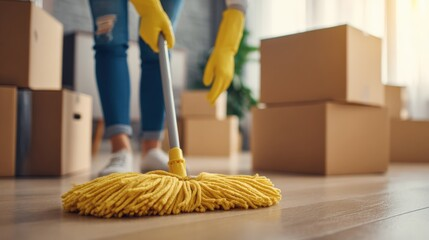
House cleaning options provide homeowners with flexible ways to maintain a clean, healthy, and comfortable living environment. Every household has different needs based on lifestyle, family size, and daily routines. Some homes require frequent upkeep, while others benefit from occasional deep cleaning. Understanding available house cleaning options allows individuals to choose approaches that match their schedules, preferences, and expectations.
Cleaning is not simply about appearance. A well maintained home supports better health, reduces stress, and protects household surfaces from long term damage. By exploring various house cleaning options, homeowners can create a routine that keeps their living space consistently fresh and manageable. Read on to Learn More About Cleaning Options.
Routine House Cleaning Services
Routine house cleaning is designed to maintain cleanliness through regular upkeep. This option focuses on everyday areas that accumulate dust, dirt, and debris over time. Floors, surfaces, and frequently used rooms receive consistent attention to prevent buildup.
Routine cleaning works best for households that already maintain a baseline level of cleanliness. By scheduling regular visits, homeowners can avoid the need for intensive cleaning later. This option helps preserve order and ensures that the home remains welcoming and comfortable throughout the week.
Deep Cleaning as a Comprehensive Option
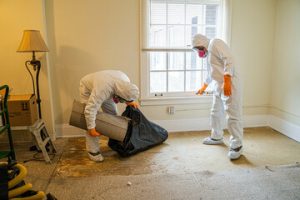
Deep cleaning is a more intensive house cleaning option that targets areas often overlooked during routine maintenance. This type of cleaning focuses on built up dirt, grime, and residue that develop over extended periods. Deep cleaning restores freshness to spaces that may appear clean on the surface but require more detailed attention.
This option is especially useful during seasonal transitions or after long periods without thorough cleaning. Deep cleaning improves the overall condition of the home and prepares it for easier maintenance moving forward. It is often chosen as a starting point before establishing a routine cleaning schedule.
Specialized Cleaning Options for Specific Needs
Some households benefit from specialized cleaning options tailored to unique circumstances. Homes with pets, children, or allergy concerns may require targeted cleaning methods to address hair, allergens, and bacteria. These options focus on improving indoor air quality and overall hygiene.
Specialized cleaning can also address specific rooms or materials. Kitchens and bathrooms often need extra care due to moisture and frequent use. Selecting targeted cleaning options ensures that high priority areas receive the attention they need without overextending time or resources.
One Time Cleaning Solutions
One time cleaning options provide flexibility for situations that fall outside regular routines. This option is often chosen for special occasions, transitions, or when extra support is needed. One time cleaning focuses on restoring cleanliness quickly and efficiently.
This approach is ideal for individuals who manage routine cleaning themselves but require occasional assistance. One time cleaning delivers immediate results without ongoing commitment. It allows homeowners to enjoy a refreshed space with minimal disruption to their schedules.
Eco Conscious House Cleaning Options
Eco conscious house cleaning options focus on reducing environmental impact while maintaining effective results. These methods emphasize gentle cleaning products that minimize chemical exposure and support indoor air quality. Eco friendly approaches are increasingly popular among households seeking healthier living environments.
Using sustainable practices also benefits long term home care. Gentle products help preserve surfaces and reduce residue buildup. Eco conscious cleaning options align cleanliness with responsible choices that support well being and environmental awareness.
Professional House Cleaning Versus Self Cleaning
Choosing between professional house cleaning and self cleaning depends on time, energy, and personal preference. Self cleaning allows for complete control over methods and schedules but can be time consuming. Professional cleaning provides expertise, consistency, and efficiency.
Professional cleaners follow systematic processes that ensure thorough results. This option is particularly helpful for larger homes or busy households. Understanding the differences helps homeowners decide which cleaning approach best supports their lifestyle and priorities.
Customizable Cleaning Plans
Customizable house cleaning options offer flexibility by allowing homeowners to tailor services to their needs. This approach combines elements of routine, deep, and specialized cleaning based on preference. Custom plans ensure that attention is focused where it matters most.
Customization allows for adjustments over time. As household needs change, cleaning options can be modified accordingly. This adaptability makes it easier to maintain cleanliness without unnecessary effort or expense.
Maintaining Cleanliness Between Cleanings
Regardless of the chosen cleaning option, maintaining cleanliness between sessions supports long lasting results. Simple habits such as wiping surfaces and managing clutter prevent dirt from accumulating. Consistency reduces the need for intensive cleaning later.
Maintaining a clean environment also makes professional or routine cleaning more effective. When basic upkeep is practiced regularly, deeper cleaning becomes easier and more efficient. These habits complement any house cleaning option.
Choosing the Right House Cleaning Option
Selecting the right house cleaning option requires evaluating household needs and expectations. Factors such as home size, occupancy, and daily activity influence cleaning requirements. Understanding priorities helps narrow down the most suitable approach.
Clear communication about preferences ensures better results. Whether choosing routine maintenance or occasional deep cleaning, aligning expectations with the chosen option supports satisfaction and consistency. A thoughtful decision leads to a cleaner and more comfortable home.
The Long Term Benefits of Flexible Cleaning Options
Flexible house cleaning options provide long term benefits by adapting to changing needs. Life events, schedule changes, and seasonal demands all influence cleaning routines. Having multiple options available allows homeowners to adjust without compromising cleanliness.
This flexibility supports sustainable home care. Instead of reacting to messes, homeowners can plan proactively. Over time, this approach reduces stress, protects household surfaces, and improves overall quality of life.
Final Thoughts
House cleaning options offer practical solutions for maintaining a clean and comfortable living space. From routine upkeep to deep and specialized cleaning, each option serves a distinct purpose. Understanding these choices allows homeowners to build a cleaning approach that fits their lifestyle and supports long term well being. With the right combination of flexibility, consistency, and care, house cleaning becomes a manageable and rewarding part of everyday life.





:max_bytes(150000):strip_icc()/Life-Insurance-a8aee8e3024145a8b454ea19df030418.png)